Total categories: 18
Browse Categories
Explore our coverage across all desks, editorial signals, and topic authorities.
Find category hubs for cloud security, DevSecOps, application defense, intelligence, and more across the Spyber Polymath editorial desk.
Category brief
Total categories
18 categories

Cloud Security
Zero-trust architectures, multi-cloud defense, container security, and securing workloads at scale.
Expert analysis on cloud-native security posture management, identity and access governance across AWS, Azure, and GCP, runtime protection for containers and serverless functions, data loss prevention in SaaS environments, and strategies for defending against misconfigurations, privilege escalation, and supply chain risks in distributed cloud infrastructure.
Read more →
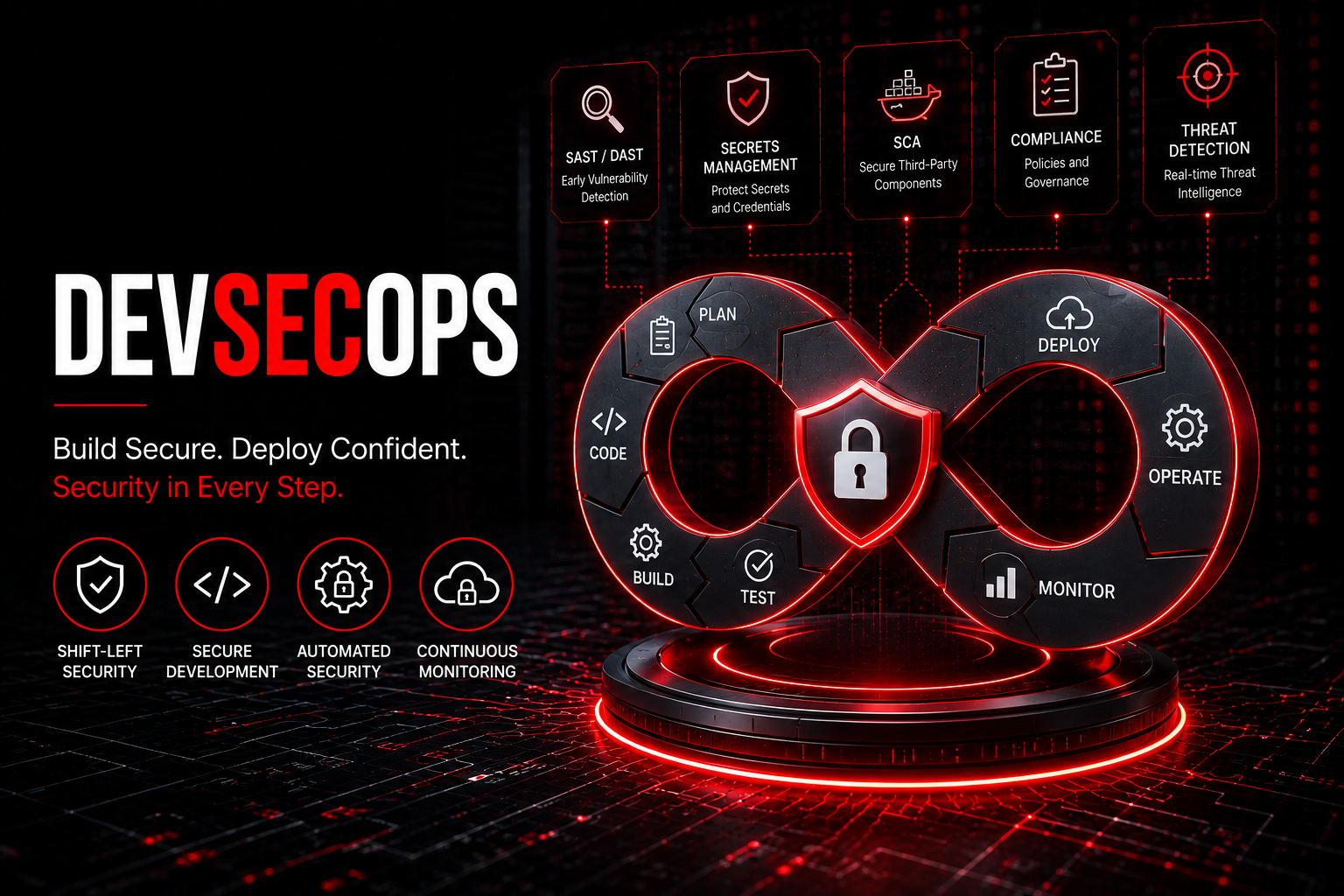
DevSecOps
Shifting left, secure CI/CD pipelines, infrastructure-as-code hardening, and automated compliance.
Deep dives into integrating security into every stage of the software development lifecycle — from threat modeling and secure design patterns to static and dynamic application security testing (SAST/DAST), secrets management, policy-as-code enforcement, and building self-healing pipelines that catch vulnerabilities before they reach production.
Read more →
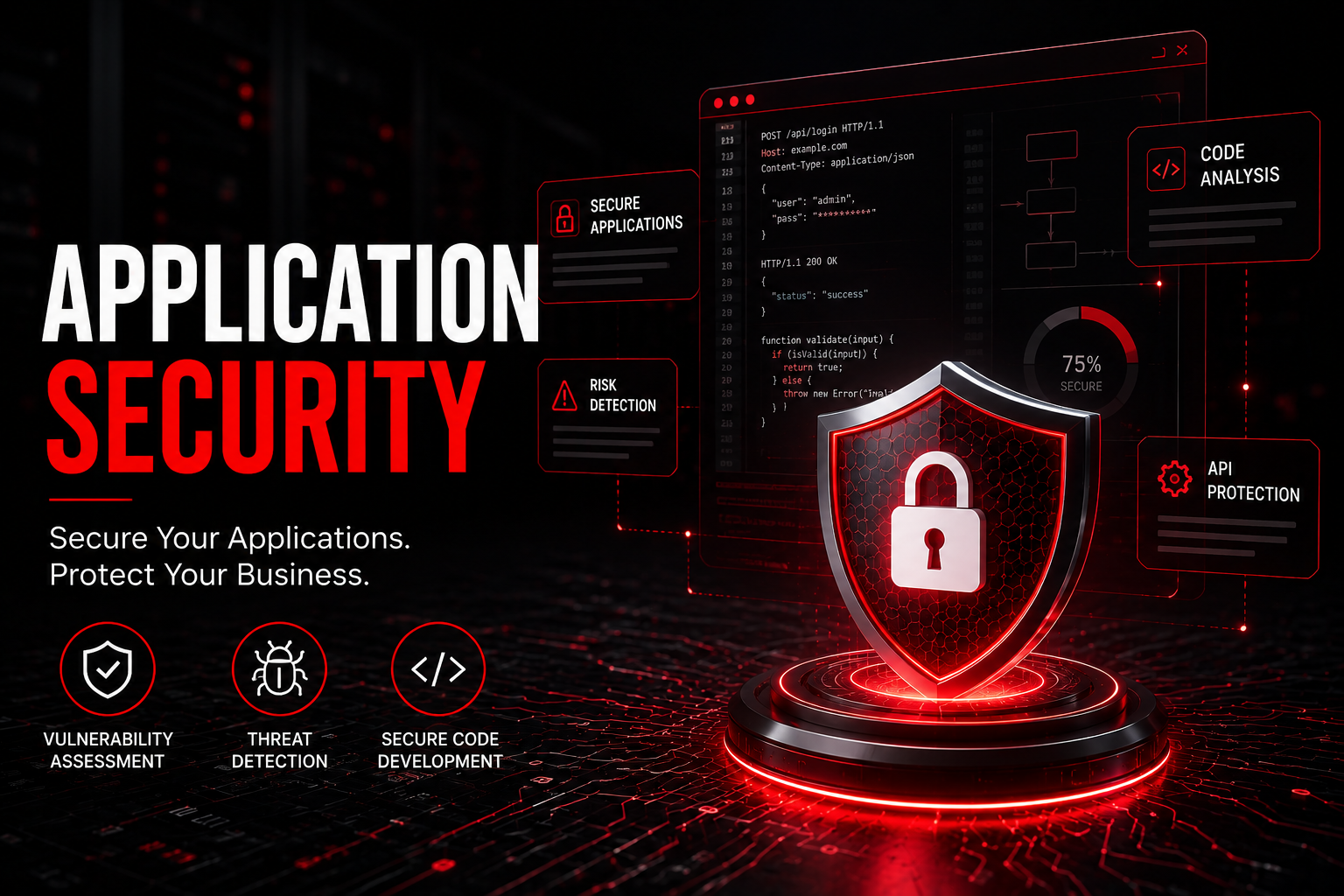
Application Security
OWASP Top 10, API protection, secure code review, and vulnerability remediation at speed.
Comprehensive coverage of web application firewalls, API gateway security, authentication and authorization flaws, injection attacks, cross-site scripting prevention, dependency vulnerability scanning, and modern approaches to software composition analysis (SCA) that help engineering teams ship features without shipping exploits.
Read more →

Infrastructure Security
Network segmentation, endpoint detection, zero-trust networking, and defending the perimeter-less enterprise.
In-depth reporting on next-generation firewall configurations, software-defined perimeter (SDP) deployments, extended detection and response (XDR) platforms, hardware root-of-trust implementations, microsegmentation strategies, and the operational realities of protecting hybrid environments where on-premises data centers meet edge computing and IoT ecosystems.
Read more →

AI for Cyber Security
Machine learning for threat detection, autonomous SOCs, adversarial AI defense, and intelligent automation.
Cutting-edge exploration of how artificial intelligence and large language models are transforming cybersecurity — from behavioral analytics and anomaly detection systems that spot zero-day threats in real time, to AI-driven incident response playbooks, generative security assistants, and emerging techniques for defending models against prompt injection, data poisoning, and model inversion attacks.
Read more →
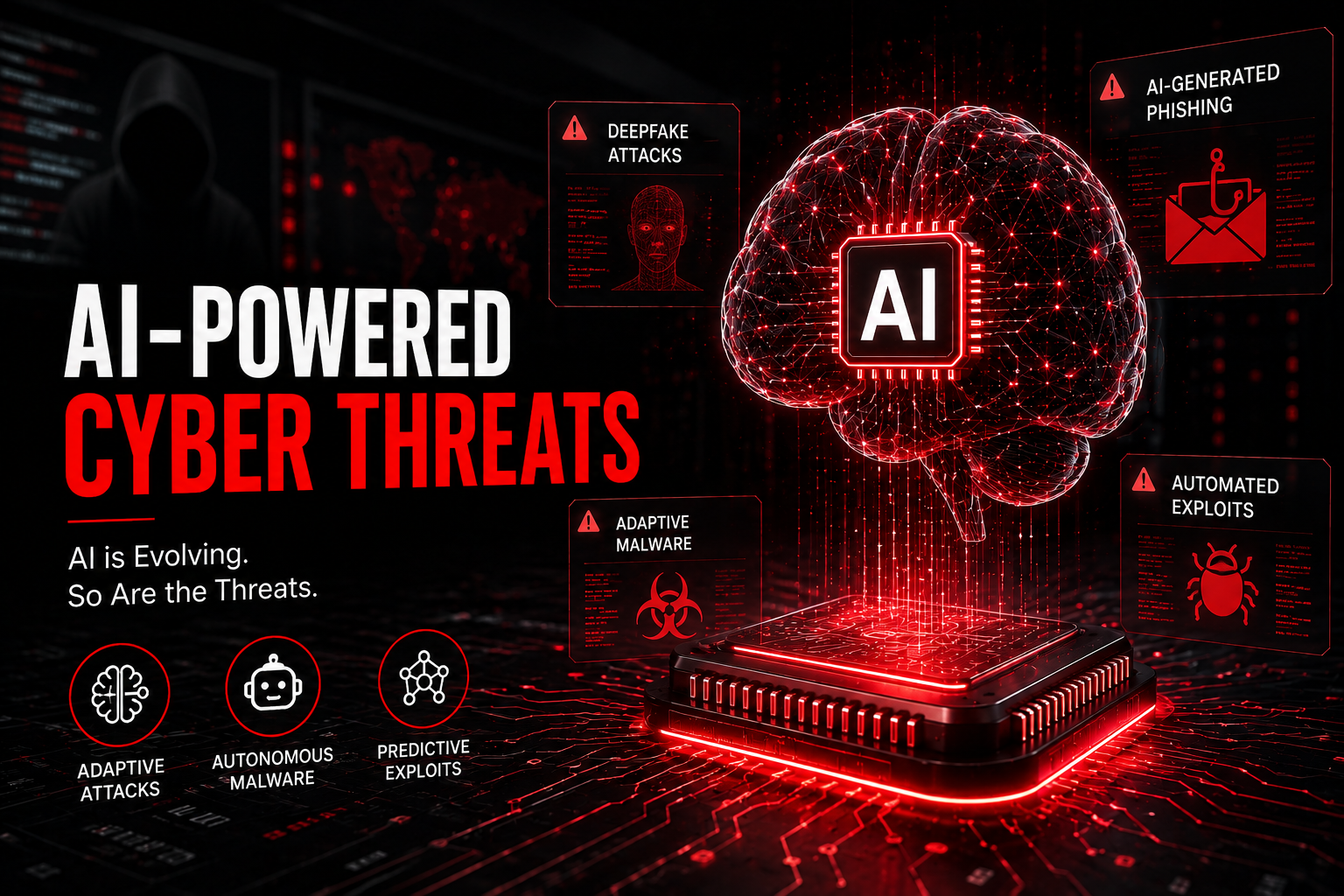
AI-Powered Cyber Threats
Deepfakes, autonomous malware, LLM-driven social engineering, and the weaponization of generative AI.
Investigative reporting on how nation-state actors, cybercriminal syndicates, and hacktivists are leveraging generative AI to scale phishing campaigns, craft polymorphic malware that evades signature-based defenses, generate convincing deepfake audio and video for fraud and extortion, and automate reconnaissance — along with countermeasures organizations can deploy today.
Read more →
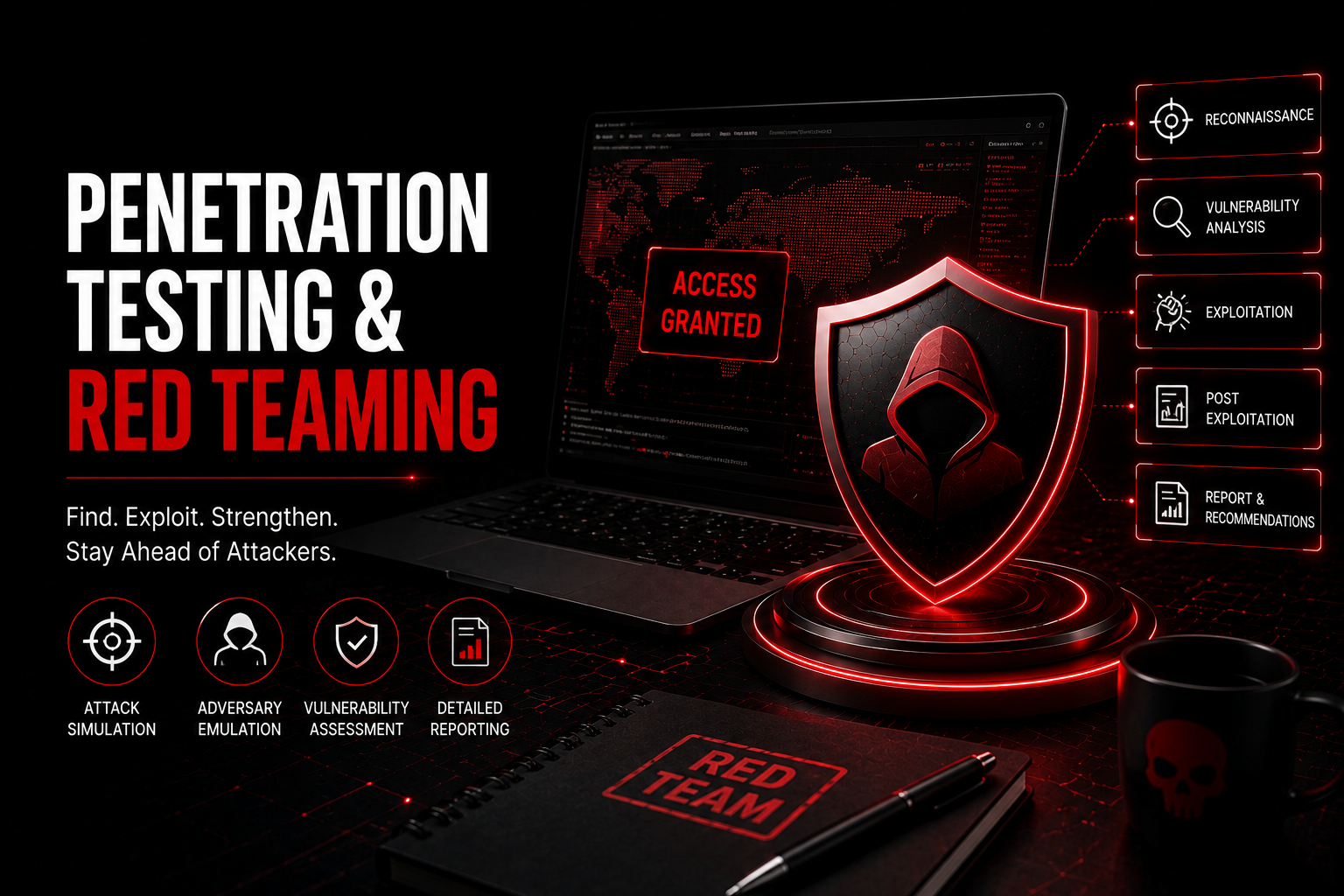
Penetration Testing & Red Teaming
Offensive security methodologies, ethical hacking frameworks, purple team exercises, and breach simulation.
Hands-on coverage of offensive security practices including network penetration testing, web application exploitation, social engineering assessments, physical security audits, and adversary emulation exercises that stress-test organizational defenses using real-world tactics, techniques, and procedures (TTPs) — with insights into tools like Metasploit, Cobalt Strike, Burp Suite, and custom exploit development.
Read more →
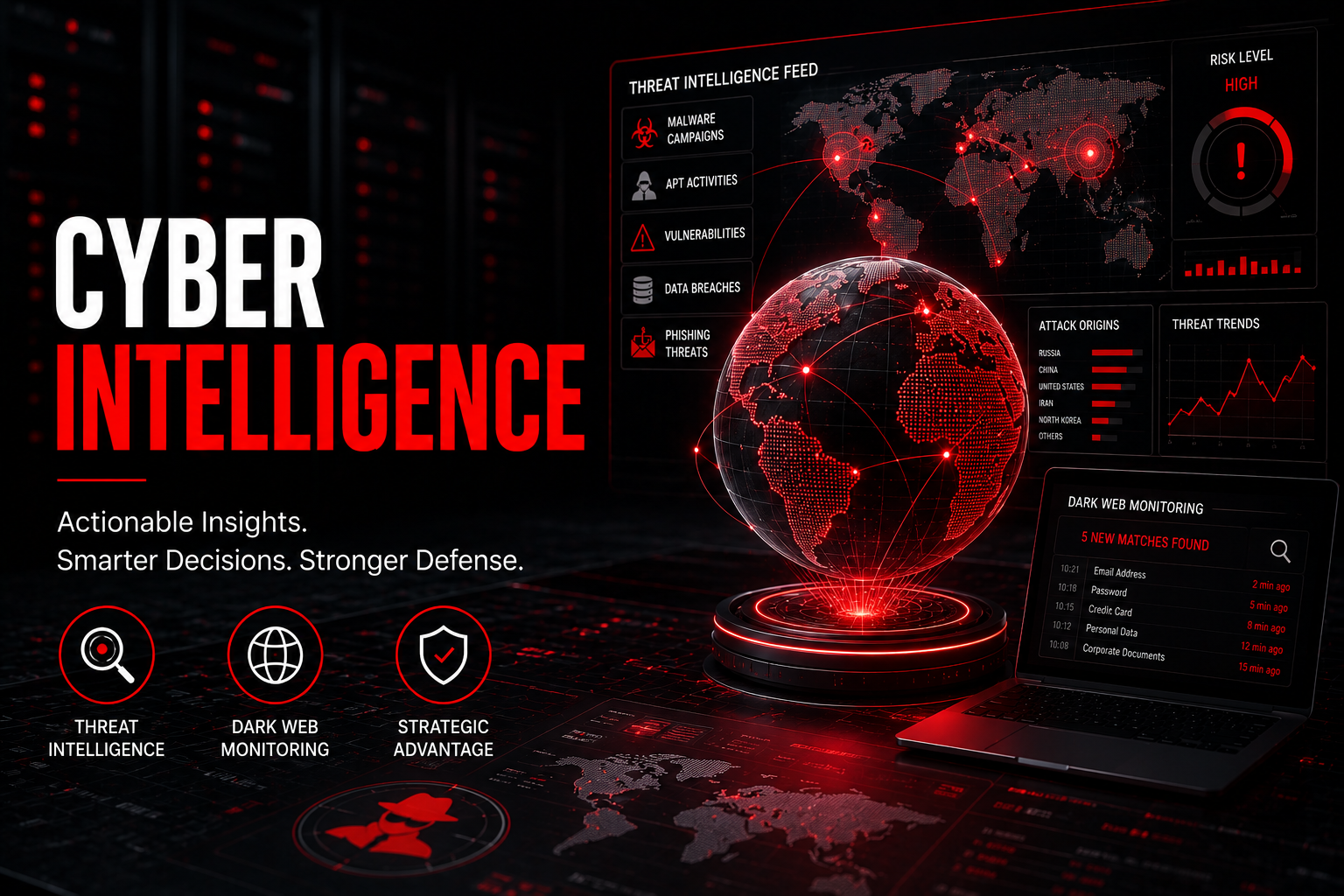
Cyber Intelligence
Threat hunting, OSINT, attribution analysis, dark web monitoring, and strategic risk intelligence.
Strategic and tactical intelligence reporting covering open-source intelligence (OSINT) gathering, dark web marketplace monitoring, indicator of compromise (IOC) tracking, campaign attribution methodologies, geopolitical cyber threat landscapes, and how security operations centers (SOCs) build actionable intelligence feeds that enable proactive defense rather than reactive cleanup.
Read more →
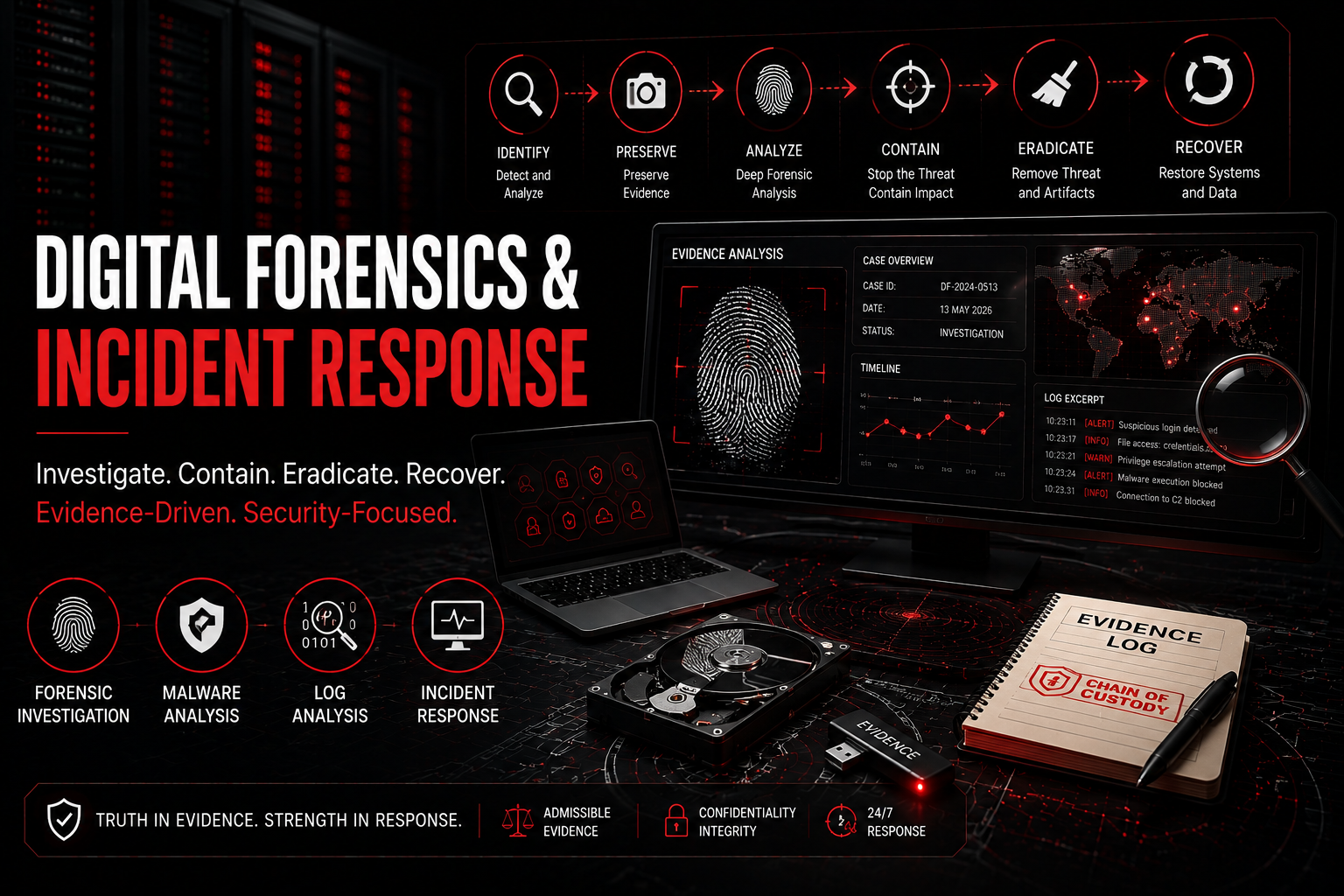
Digital Forensics & Incident Response
Malware reverse engineering, memory forensics, evidence preservation, and post-breach investigation.
Technical deep-dives into digital forensic methodologies for investigating data breaches, ransomware incidents, insider threats, and intellectual property theft — covering disk and memory forensics, log analysis, network artifact recovery, chain-of-custody best practices, e-discovery workflows, and the legal and regulatory frameworks governing digital evidence in criminal and civil proceedings.
Read more →
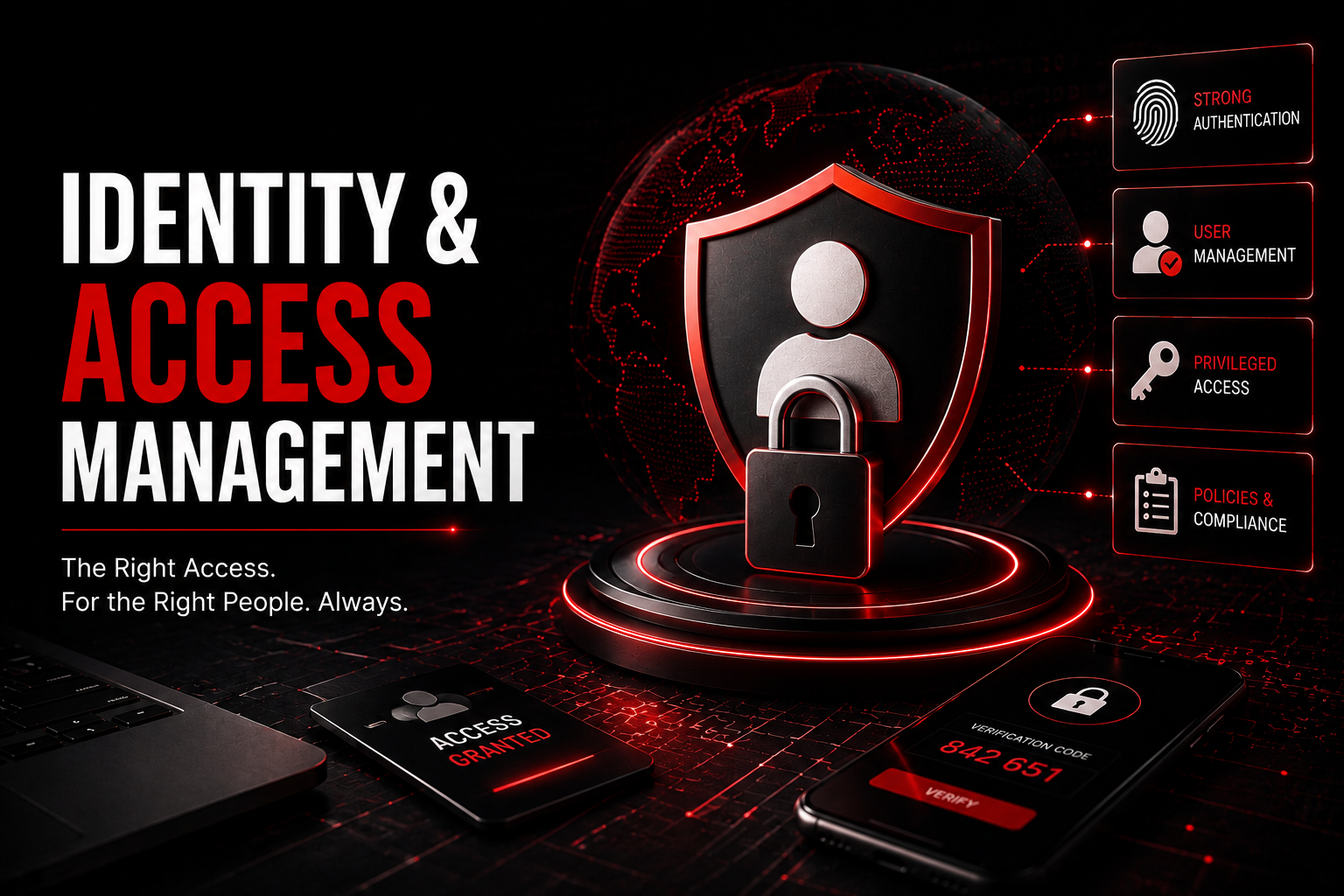
Identity & Access Management
Zero-trust identity, PAM, MFA, SSO, federation, and the battle against credential-based attacks.
Essential coverage of identity-centric security architectures including privileged access management (PAM), multi-factor authentication (MFA), single sign-on (SSO) implementations, identity federation across hybrid environments, just-in-time (JIT) access provisioning, passwordless authentication, and strategies for eliminating the shared credentials and over-permissioned accounts that fuel 80% of today's breaches.
Read more →
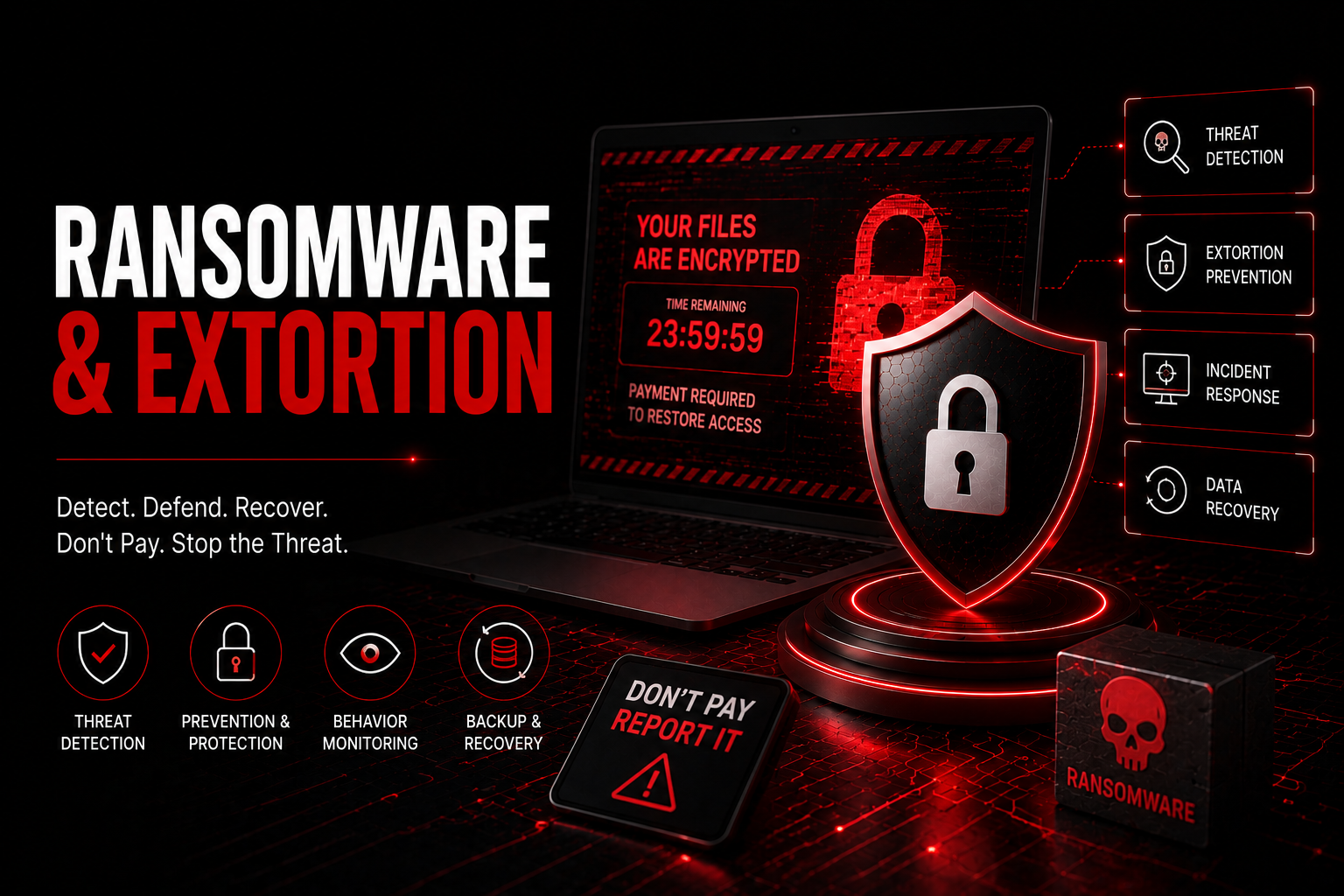
Ransomware & Extortion
Double extortion, ransom negotiations, backup resilience, and surviving the ransomware economy.
Real-world analysis of ransomware-as-a-service (RaaS) ecosystems, double and triple extortion tactics, negotiation strategies with threat actors, cyber insurance implications, immutable backup architectures, incident playbooks for encrypted environments, and the legal, financial, and operational realities organizations face when deciding whether to pay or fight back against ransom demands.
Read more →
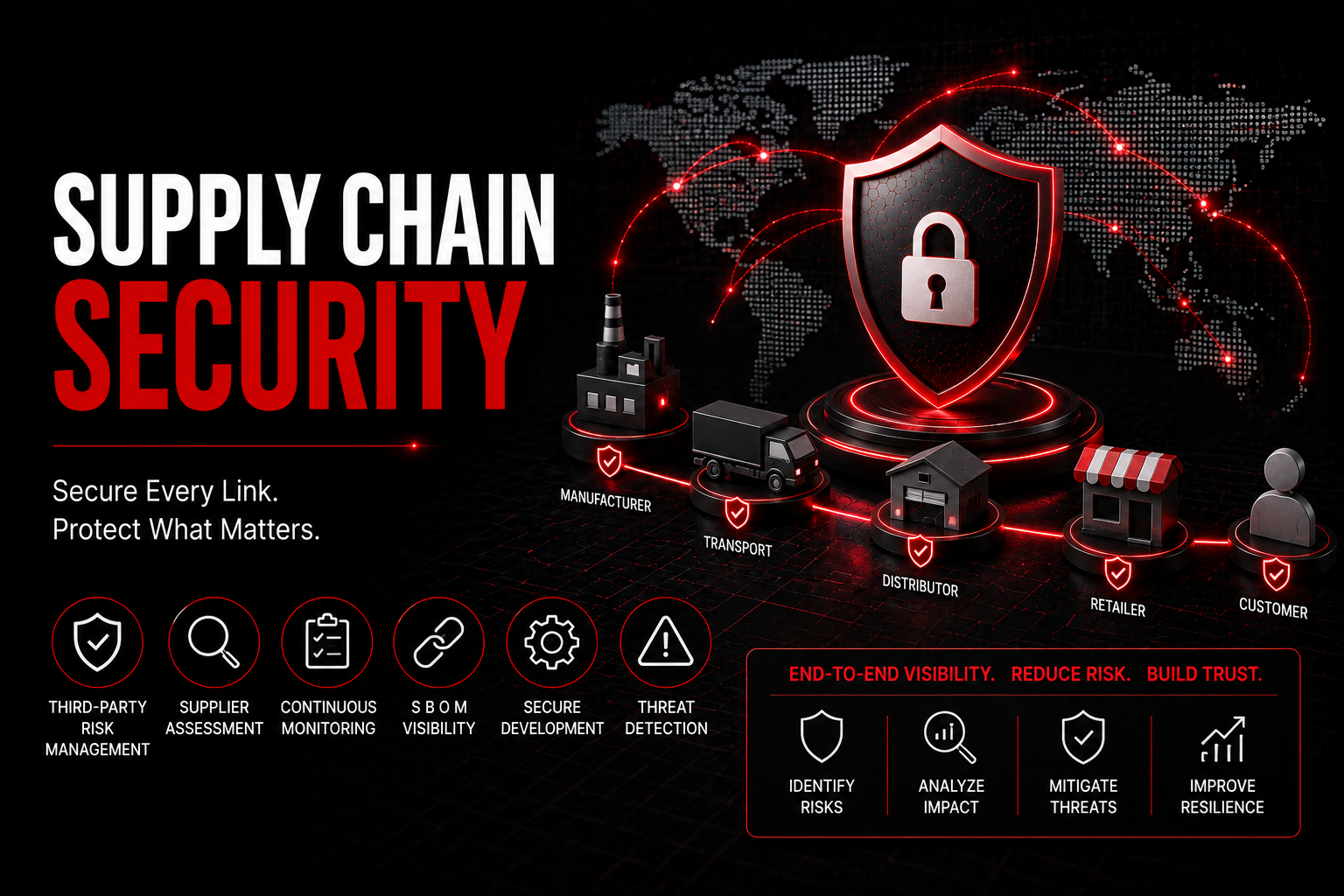
Supply Chain Security
SBOMs, third-party risk, software attestation, and defending the software dependency ecosystem.
Critical examination of software supply chain attack vectors following SolarWinds, Log4j, and XZ Utils — covering software bill of materials (SBOM) generation and consumption, third-party vendor risk management, code signing and artifact integrity verification, dependency confusion attacks, compromise of build pipelines, and frameworks for establishing trust boundaries between your organization and the thousands of libraries and services you depend on.
Read more →
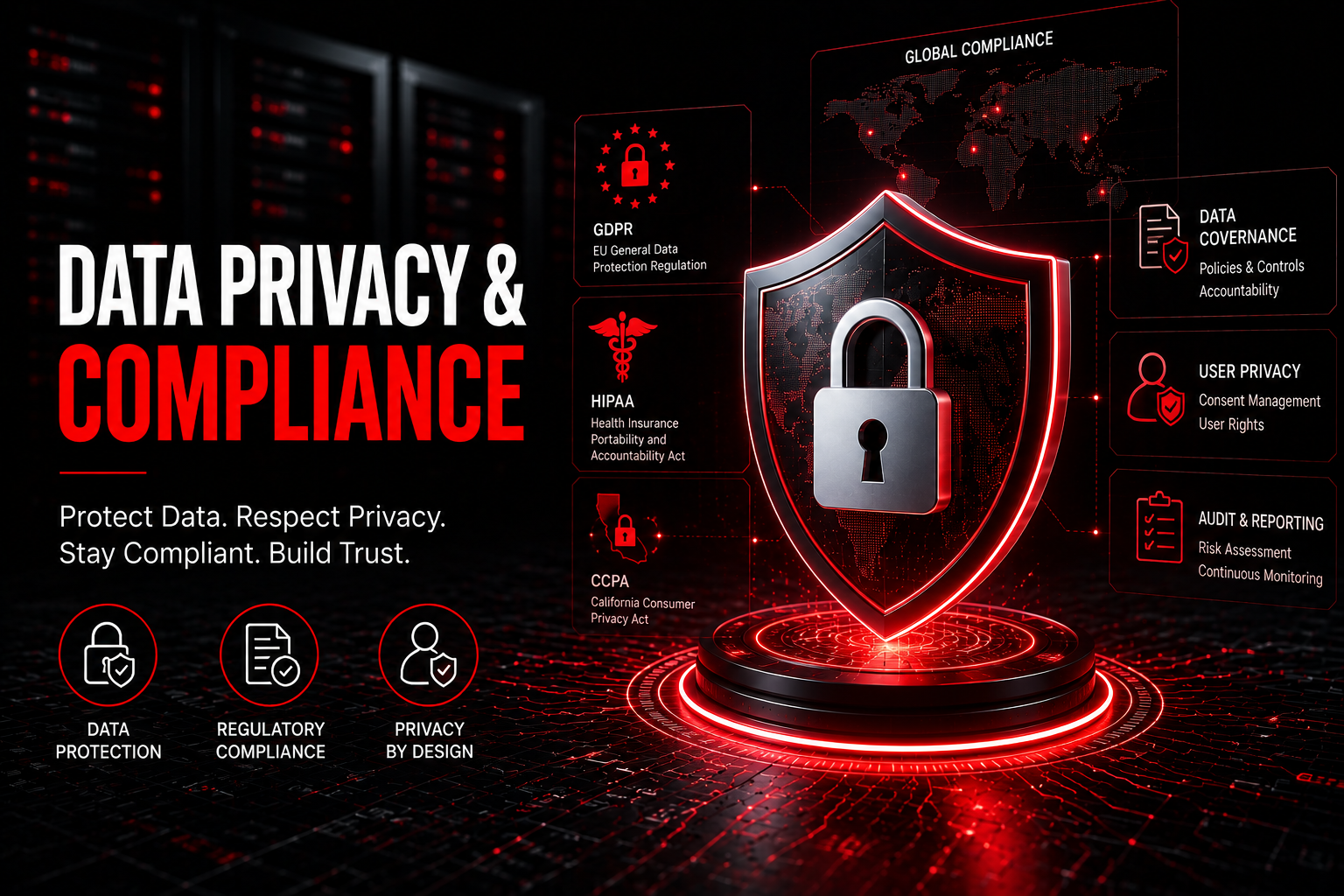
Data Privacy & Compliance
GDPR, CCPA, HIPAA, data governance, privacy engineering, and navigating the global regulatory landscape.
Practical guidance on data protection regulations across jurisdictions including GDPR, CCPA/CPRA, HIPAA, and emerging frameworks — covering data mapping and classification, consent management platforms, privacy-by-design principles, cross-border data transfer mechanisms, data subject rights automation, and how privacy engineering is evolving from a legal checkbox into a competitive advantage and customer trust signal.
Read more →
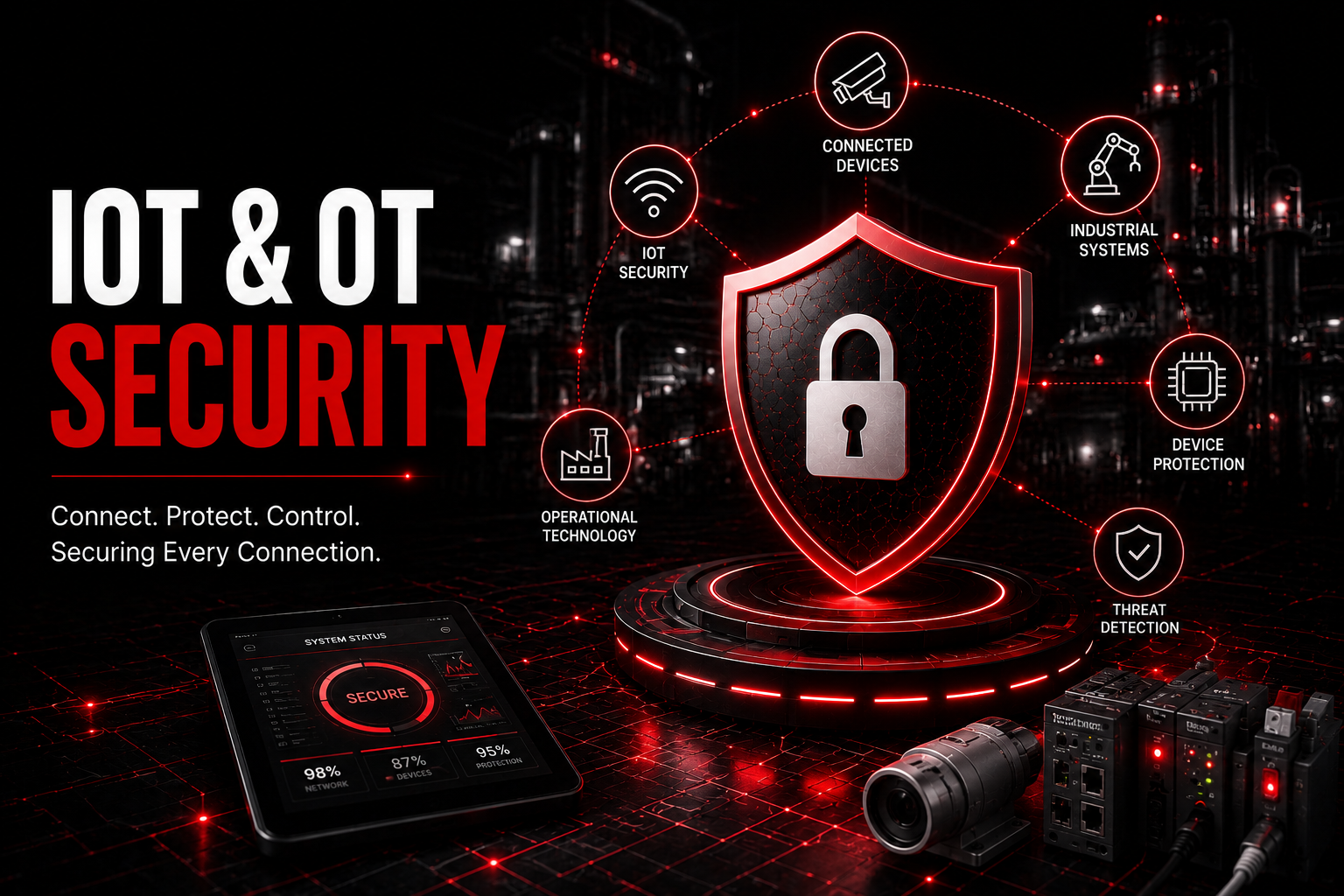
IoT & OT Security
Industrial control systems, medical devices, smart infrastructure, and securing the connected physical world.
Specialized coverage of cybersecurity for operational technology (OT) and Internet of Things (IoT) environments — including SCADA and PLC security, medical device hardening, automotive and vehicle-to-everything (V2X) protections, smart city sensor networks, industrial protocol vulnerabilities, air-gapped network testing, and the converging risks as IT and OT networks blur in Industry 4.0 deployments.
Read more →
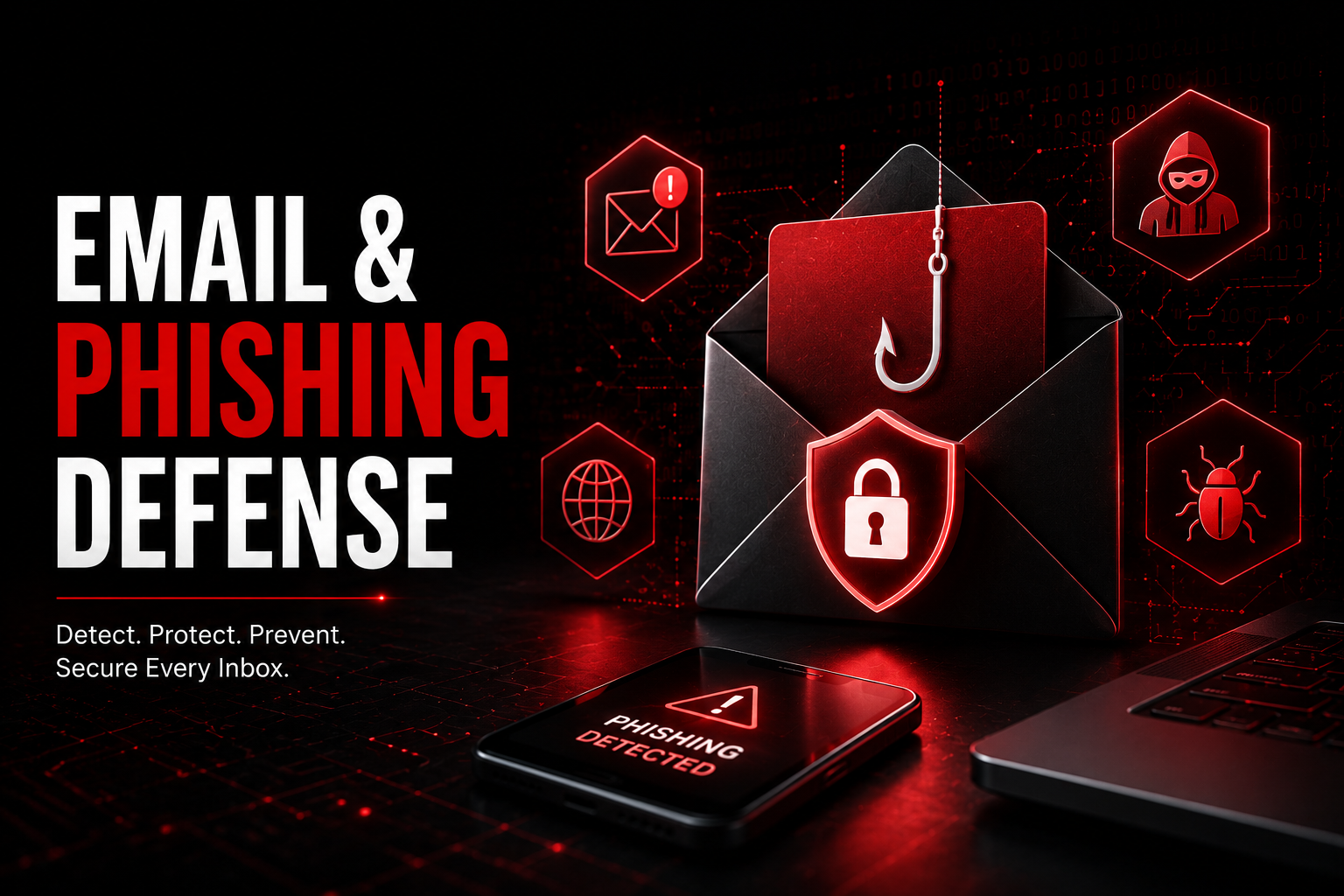
Email & Phishing Defense
BEC, spear-phishing, brand impersonation, DMARC, and stopping the #1 attack vector.
Tactical analysis of email-based threats responsible for over 90% of initial compromises — covering business email compromise (BEC) detection, spear-phishing campaign patterns, domain spoofing and lookalike domain abuse, DKIM/DMARC/SPF implementation hardening, employee awareness training efficacy, real-time link and attachment sandboxing, and the human factors that make phishing remain the most reliable weapon in every attacker's arsenal.
Read more →

Mobile Security
MDM, app security, 5G threats, BYOD policies, and protecting the enterprise mobile workforce.
Focused coverage on the unique challenges of securing mobile endpoints — including mobile device management (MDM) and unified endpoint management (UEM) strategies, mobile application penetration testing, iOS and Android platform-specific vulnerabilities, Bring Your Own Device (BYOD) policy enforcement, 5G network slicing security, mobile banking and payment app protections, and the risks introduced when corporate data lives on personal smartphones.
Read more →
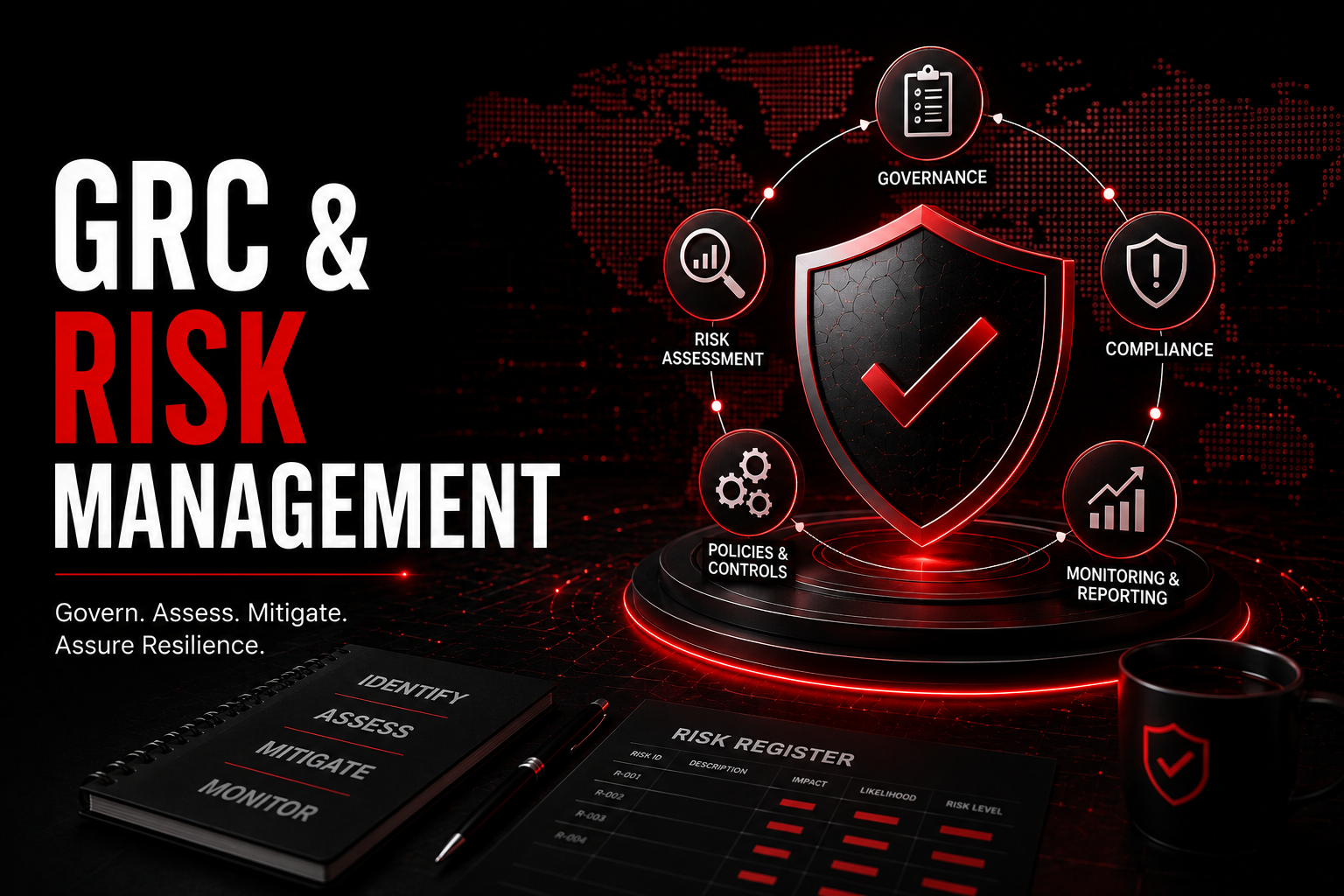
GRC & Risk Management
Audit frameworks, ISO 27001, SOC 2, enterprise risk, and building resilient governance programs.
Strategic coverage of governance, risk, and compliance (GRC) functions that keep organizations audit-ready and resilient — including NIST Cybersecurity Framework implementation, SOC 2 Type II preparation, ISO 27001 certification pathways, enterprise risk quantification methods, board-level risk reporting, continuous control monitoring (CCM), vendor risk assessment programs, and how mature GRC practices reduce both breach probability and cyber insurance premiums.
Read more →
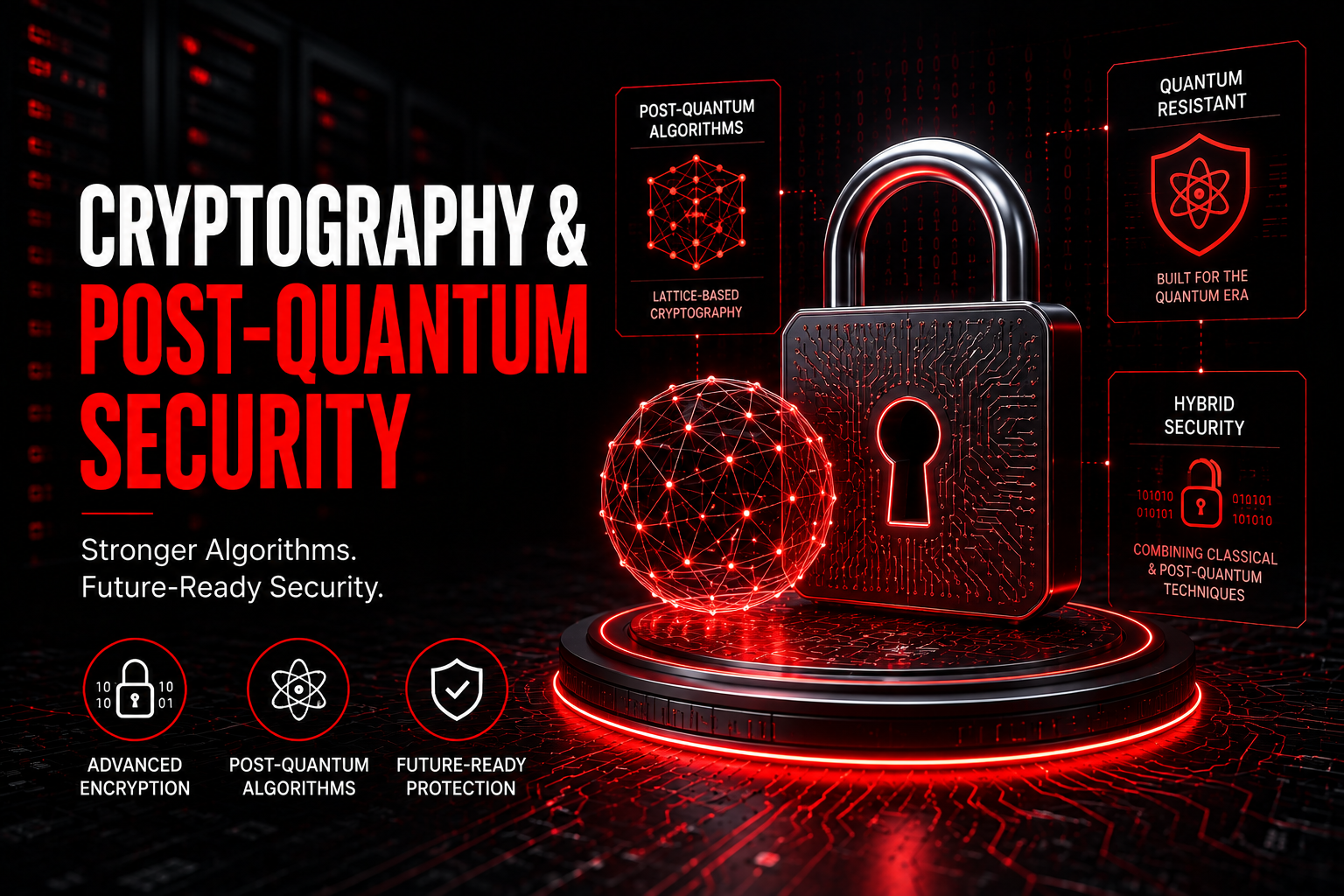
Cryptography & Post-Quantum Security
PKI, encryption standards, quantum-resistant algorithms, and the future of cryptographic trust.
Forward-looking analysis of cryptographic systems underpinning digital trust — covering public key infrastructure (PKI) modernization, certificate lifecycle management, end-to-end encryption implementations, zero-knowledge proof applications, homomorphic encryption use cases, hash algorithm migration (SHA-2 to SHA-3), and the urgent transition to post-quantum cryptography (PQC) standards as nation-states harvest encrypted data now for future quantum decryption capabilities.
Read more →